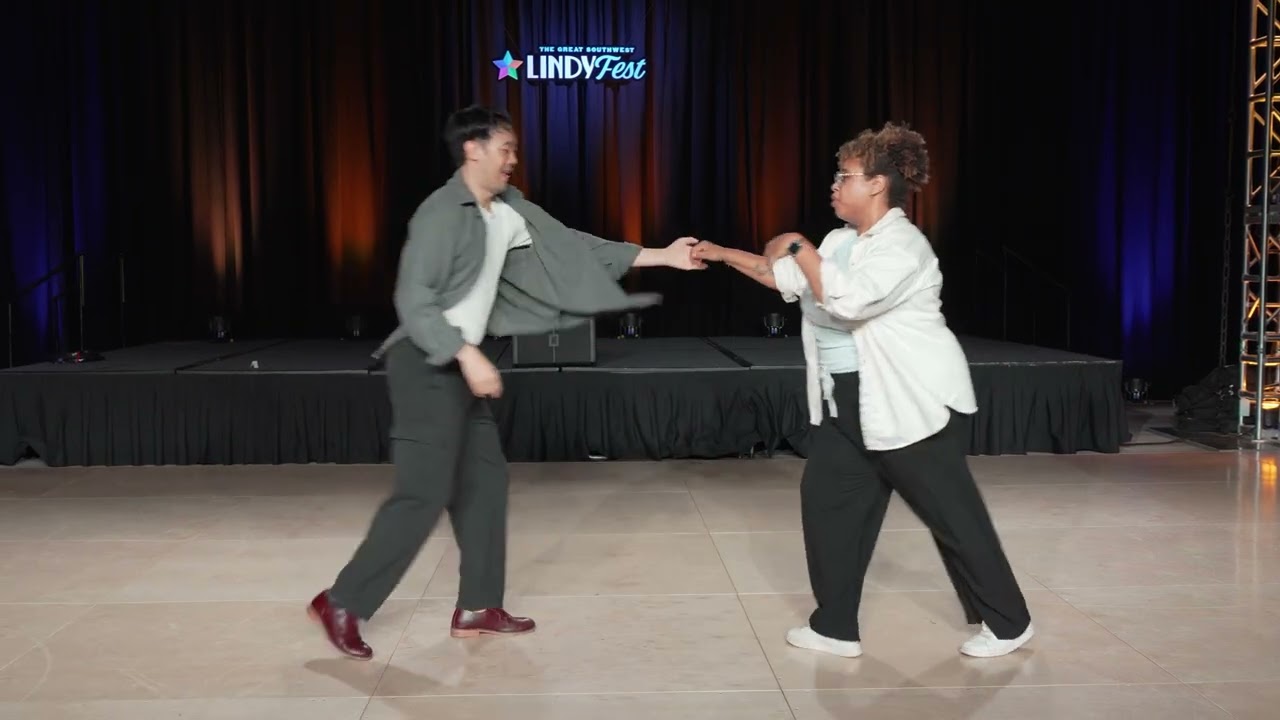
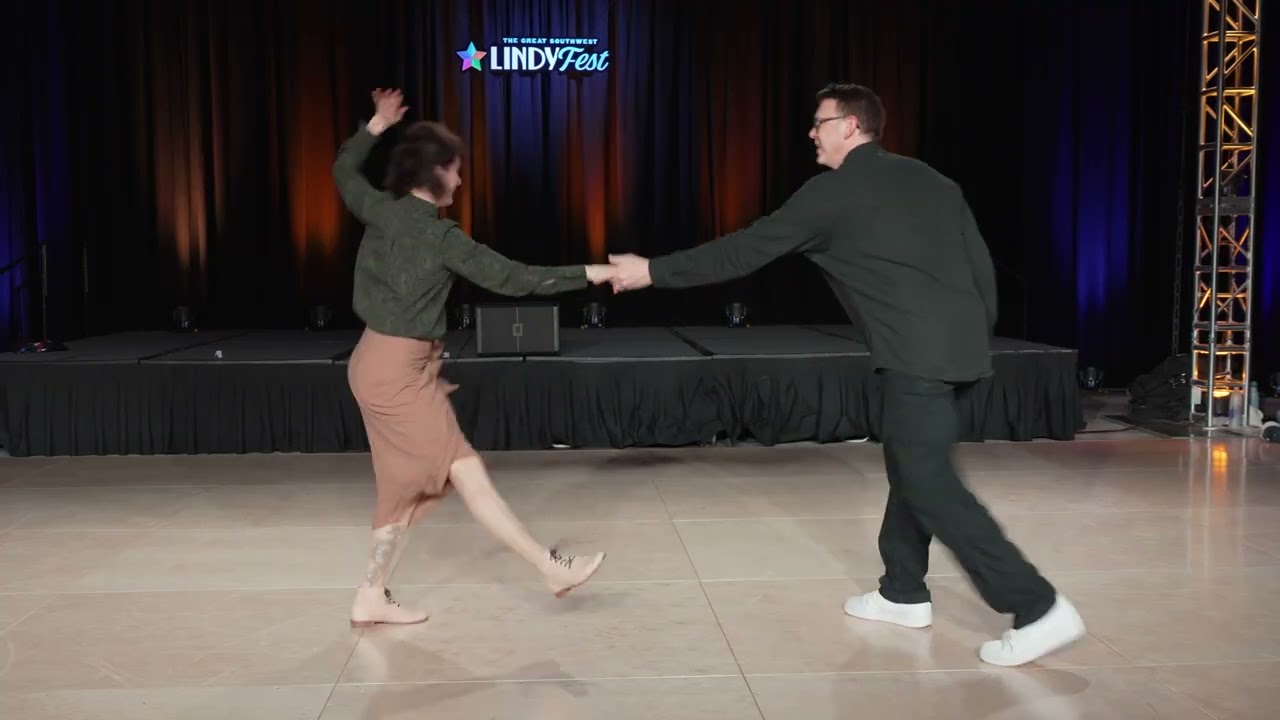
Escape the one-to-eight matrix and be the chosen one - by Damyan Naydenov and Sofia Georgieva
The standard count of 6 or 8 does not always correspond to where we are in the music space. We should know that we may always choose how to interpret what we hear as stress or theme. This can happen when we are aware of the basic notes and tunes of the music. Whether the tunes are low or high, long or short, each person can express them through different variations and tempo-rhythm.
What is tempo-rhythm? Every person has its own internal rhythm of life, in acting this is called tempo-rhythm. When you try to put yourself in another person’s shoes this should look natural and to build character. It is essential to point out, that we do not mean an imitation of emblematic dancers, but finding an internal way of musical perception. In the dance theatre this term is used in relation to the execution of a certain movement and its variations. They can be executed for the same metric time, but with different energy and namely the invested energy makes the move appear in a certain way. In music this terms are used for: Rhythm – regular movement, which is generated by the organized alternation of tunes with different duration, as well as the defining one between the different musical parts – even, uneven or syncopated. Tempo – the swiftness – the speed, with which a certain move is performed. In other words if we have a low tune, we can choose a move which goes down and if the tune is high we can use a jump. Consequently, if we have a note with a longer duration we can choose a move which fills the musical space, and if it is short or abrupt we can make a stop.
In the area of dances there are two streams: people who determine the dancing only by music, and those who believe that they should build up the piece. For example: in the classical ballet, the dancers are executing their movements illustrating the music, meaning that the changes in the music have a corresponding physical behavior. In the dance theatre, an art emerged in the 70s of the last century, the music is not determinative of what is happening on the scene, music is not even necessary, but if it is there, it is a component and it is not leading, while the actor’s presence can build it up. All this makes me wonder. If we accept the hypothesis of the building up without illustration, how can we learn it? Simply by moving? And how can we build up if we do not have the basis? It is like speaking a language without knowing how to structure a sentence! For people with no dancing experience it would be easier to learn the basis, to able to interpret it and only when this interpretation works out to start building it up. This of course can happen only after long hours of listening to music and solo exercises.
That is exactly what we are trying to present in this lesson.
Everyone who is attracted by swing music hears the rich nuances in the plays. The issue, which occurs after the beginning is getting into the scheme – step, step – triple step – triple step, which corresponds to 6 pieces in the music and step, step – triple step – step, step – triple step, corresponding to 8.
In our effort to listen to the music more carefully, we can even predict when and in what direction a theme shall develop, in order to apply our own tempo-rhythm in the movement. For this purpose in the beginning of the class we shall make a short solo exercise in which each participant is trying to step on a beat, off beat, or to follow the voice of the performer. After that, each dancing pair shall have the same fixed phrase from the play which will choreograph in its own way, and in the end of the lesson each pair shall present its own interpretation. By doing this, they will realize on their own, the freedom they have to express themselves while dancing.
Updated 2 months ago